This article provides a neutral, in-depth look at the top AI models and services currently available. We will move past the hype and focus on the practical capabilities, architectural differences, and use cases for each tool. whether you need an uncensored ai image generator, a solution for consistent character design, or a high-speed production API, this guide covers the essential players in the market.
Top Image Generation Models
The following models represent the cutting edge of generative tech. Some are closed-source proprietary systems, while others offer open source weights for local hosting.
Nano Banana Pro (Gemini 3 Pro Image)
Google’s latest entry into the high-fidelity space has an unusual name, but its performance is serious. Officially known as Gemini 3 Pro Image, the community-dubbed “Nano Banana Pro” has become a market leader for its deep integration with Google’s ecosystem. It is designed specifically to solve the “text-in-image” problem that plagued earlier models.
The standout feature of Nano Banana Pro is its “Deep Thinking” capability. Unlike standard diffusion models that simply map pixels to text prompts, this model appears to “reason” about the physical layout of a scene before rendering. This results in the most realistic lighting and object coherence seen to date. It supports up to 14 reference images, allowing users to upload a product or character and generate dozens of variations without losing identity.
However, users should be aware of its strict safety filters. It is not an Uncensored model; Google maintains heavy guardrails to prevent the generation of deepfakes or controversial imagery. While this ensures brand safety for enterprise users, it can sometimes lead to “over-correction” in historical or demographic depictions.
Midjourney
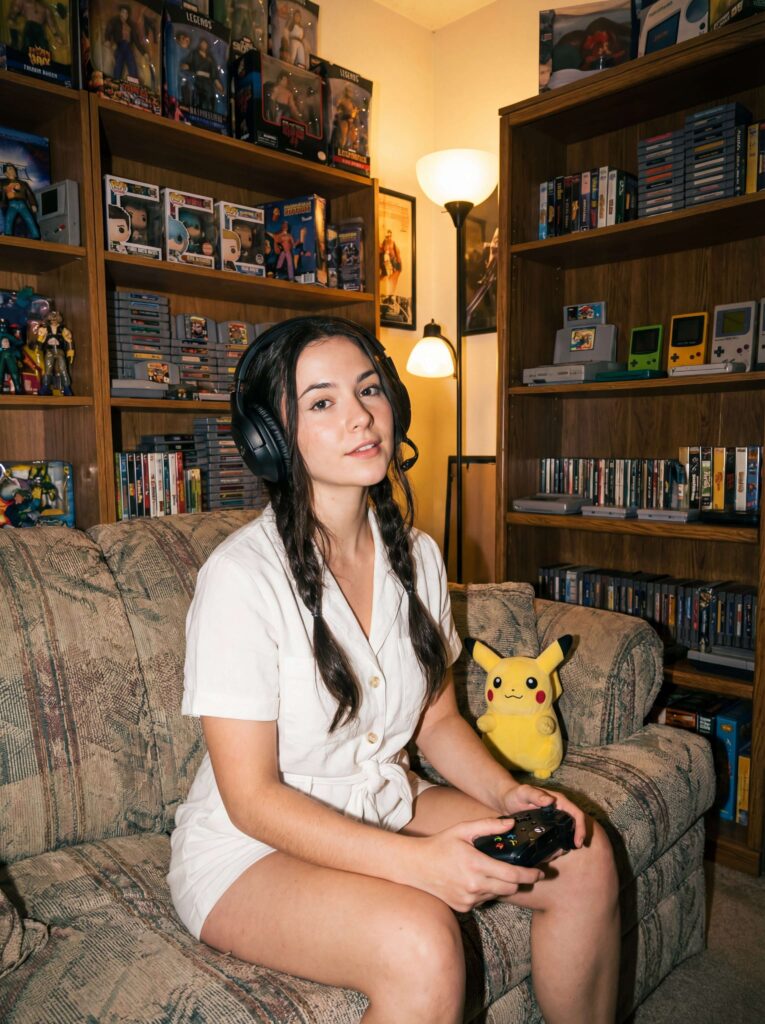
Midjourney remains the gold standard for artistic composition. While other models chase photorealism, Midjourney continues to excel at “aesthetic coherence.” It is the preferred choice for concept artists and illustrators who need a distinct style rather than a generic stock photo look.
In its current iteration, Midjourney has improved its text to image adherence, though it still prioritizes beauty over strict prompt compliance compared to models like Nano Banana or Hunyuan. It has also introduced better web-based tools, moving away from its exclusive reliance on Discord, which has made it more accessible to professional teams.
Seedream 4.5
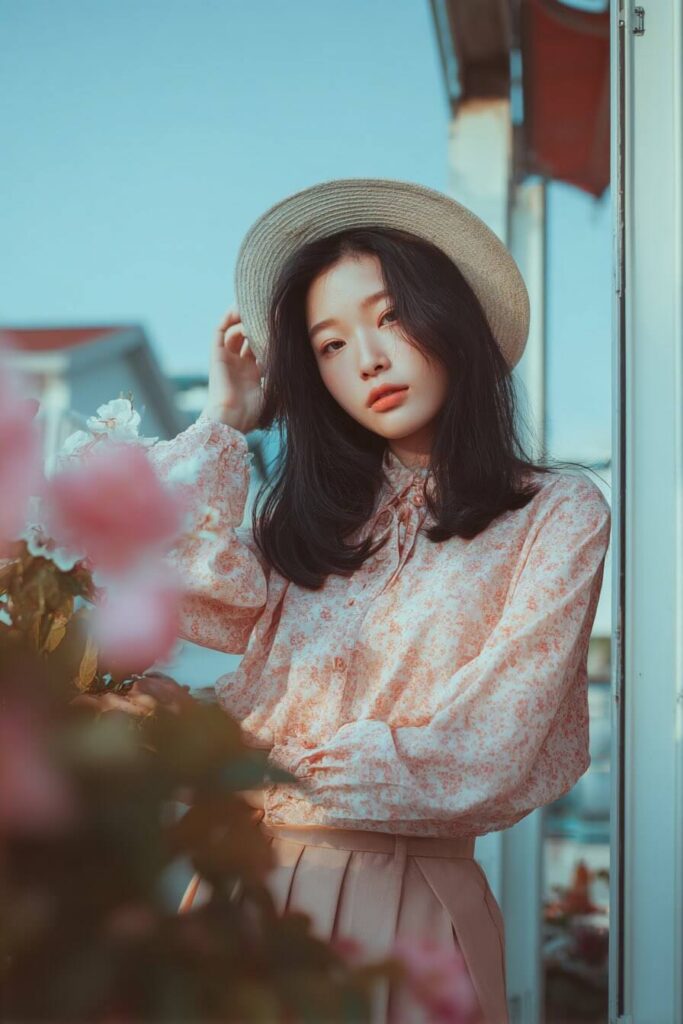
Seedream 4.5 has carved out a niche in the film and game development sectors. Its primary selling point is “temporal and spatial consistency.” While most models generate a single good image, Seedream is engineered to generate sequences. If you generate a character, Seedream 4.5 can rotate that character 360 degrees or place them in five different environments without morphing their facial features or clothing.
This model is capable of native 4K generation without needing an upscaler. It is often used in conjunction with Image to image workflows where a rough sketch is turned into a high-fidelity render. It creates Realistic textures for skin and fabrics that hold up even when zoomed in for print media.
Seedream 4.5 is also an AI tool for removing clothes.
Kling Image O1
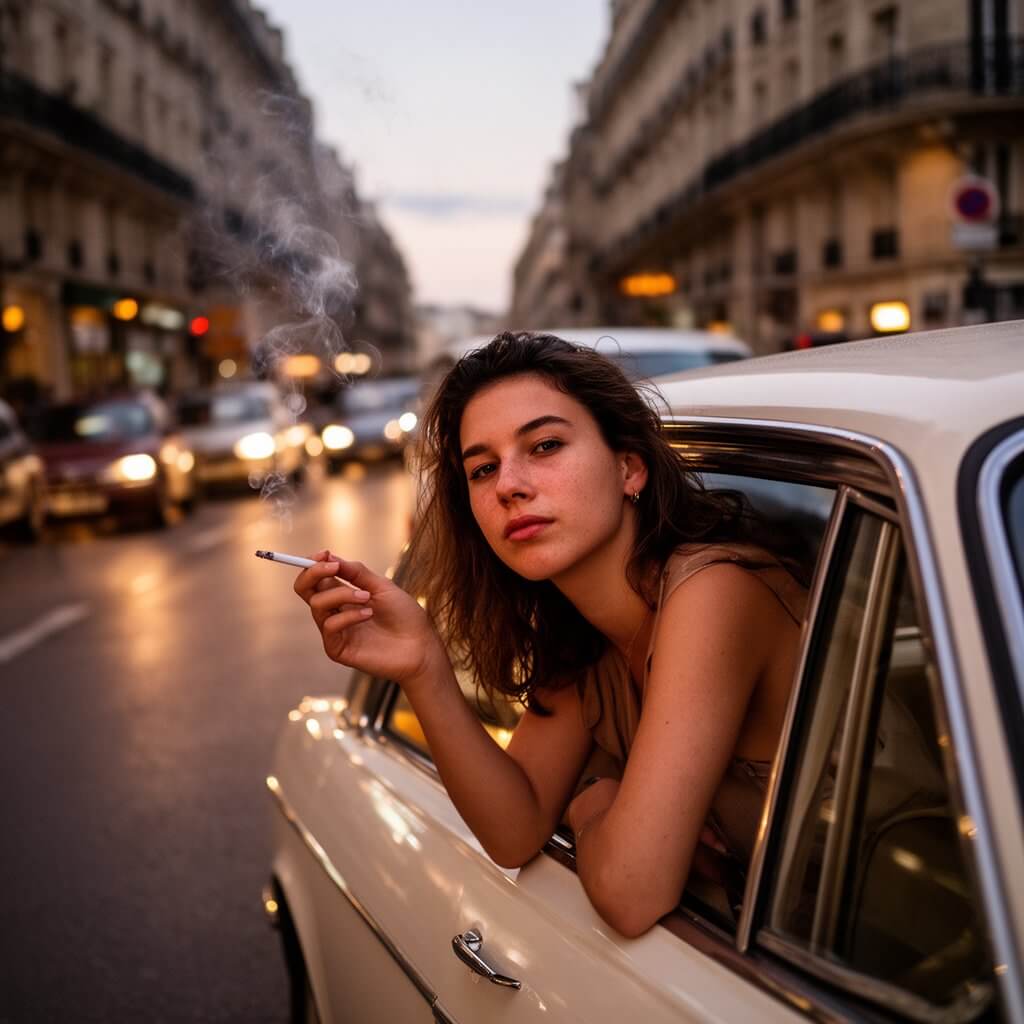
Kling Image O1 is a hybrid model that blurs the line between generation and editing. Developed alongside Kling’s video models, the O1 image model excels at “multi-image fusion.” You can upload a photo of a style reference, a photo of a character, and a photo of a background, and the model will intelligently blend them into a cohesive scene.
It is particularly strong at “in-context editing.” Instead of masking an area and regenerating it, you can simply type a command like “change the weather to rainy” or “make the character look older,” and the model understands the semantic changes required without destroying the original composition.
Flux.2
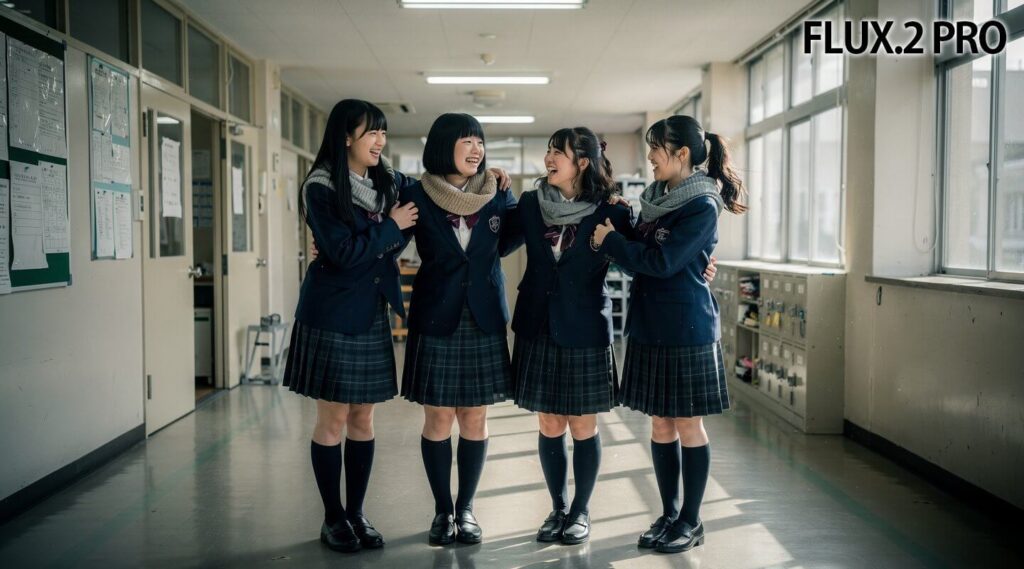
Black Forest Labs released Flux.2 as a direct successor to the highly acclaimed Flux.1. It is widely regarded as the best open source option available. Flux.2 pushes the boundaries of prompt adherence, capable of following complex, multi-sentence instructions without “forgetting” elements mentioned at the start of the prompt.
Because it is open weights, the community has embraced Flux.2 for fine-tuning. It is the engine behind many free ai image generator sites and local installs. For users seeking Uncensored or custom-trained models (such as for specific anime ai art styles), Flux.2 is the foundation upon which those custom checkpoints are built.
Runway Gen-4
While primarily known as a video generation model, Runway Gen-4 is a critical tool for still graphics. Runway’s approach is “world simulation.” When you generate an image with Gen-4, you are essentially generating a single frame of a physics-compliant world.
This makes it invaluable for storyboarding. The assets generated in Gen-4 are “video-ready,” meaning they have the correct depth maps and consistency to be animated later. It is not the fastest generator, but for users building a narrative pipeline, it ensures that the text to image assets created today can be used in video productions tomorrow.
Hunyuan Image 3
Tencent’s Hunyuan Image 3 is a massive Mixture-of-Experts (MoE) model. It is notable for its exceptional bilingual capabilities, handling both Chinese and English prompts with native fluency. It rivals Western models in photorealism and has a specific strength in rendering long, complex text strings within images—perfect for poster design or book covers.
Hunyuan Image 3 is also open source, allowing developers to inspect its architecture. It uses a transformer-based diffusion method that scales effectively with high hardware, making it a favorite for enterprise-level ai image generator from text applications in Asia and beyond.
Grok
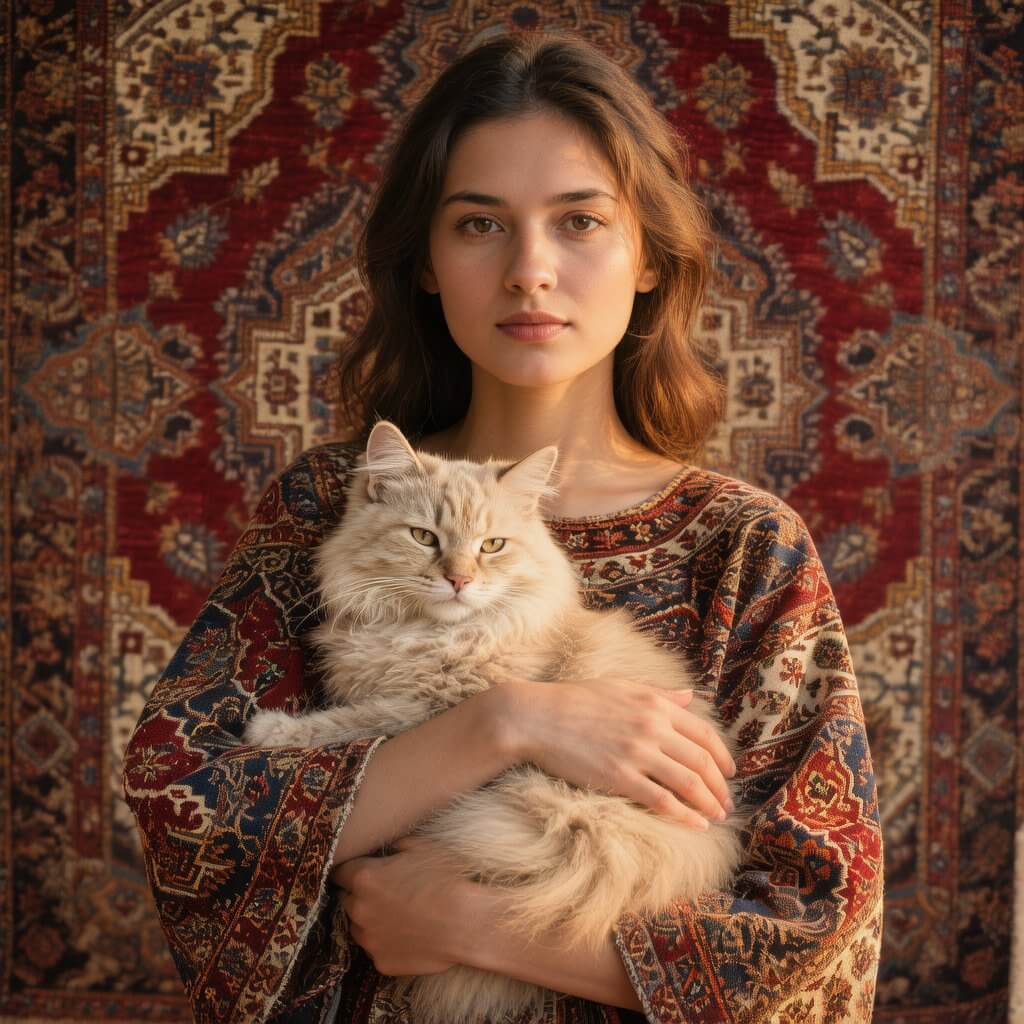
xAI’s Grok image generator has gained a reputation for being the “edgy” competitor. Integrated directly into the X platform, Grok has significantly fewer filters than Google or OpenAI’s equivalents. For users looking for a no censor approach to satire, political commentary, or unrestricted artistic expression, Grok is the primary choice.
Technically, it delivers high-contrast, punchy visuals. While it may sometimes lack the subtle texture detail of Seedream or Nano Banana, it makes up for it in speed and availability. It is often used for real-time social media content creation where speed and freedom from heavy moderation are prioritized.
Qwen Image
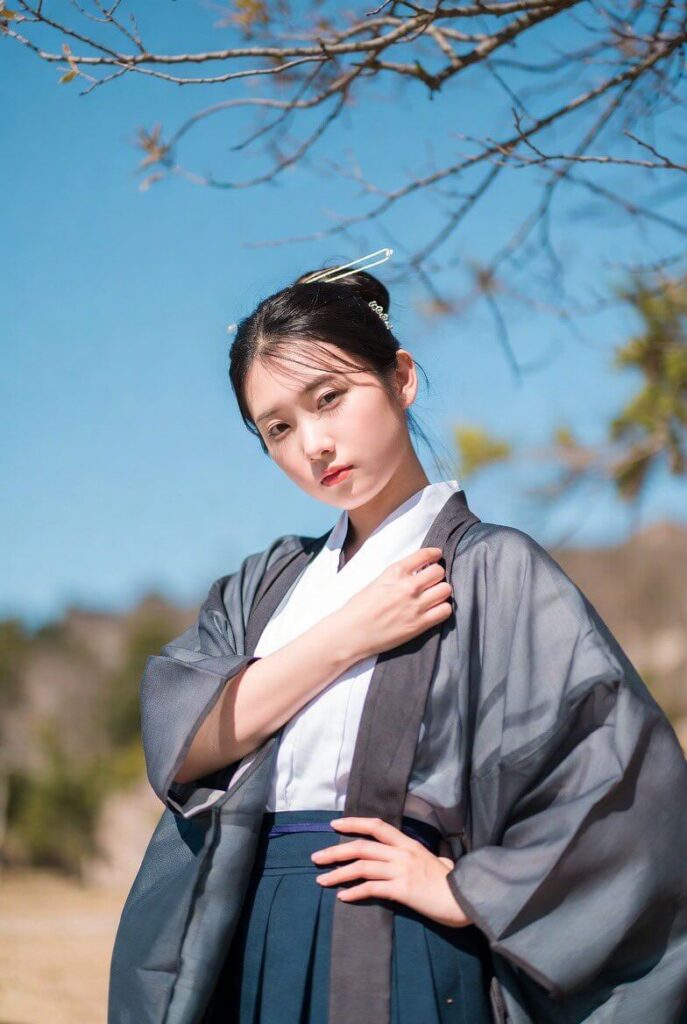
Qwen Image, developed by Alibaba Cloud, is another heavyweight in the open source arena. It distinguishes itself with “visual reasoning.” You can input a complex chart or a diagram, and Qwen can analyze the visual data to generate a new, stylized version of that information.
For graphic designers, Qwen Image is excellent for “text rendering.” It can generate logos and typography with fewer artifacts than older diffusion models. It supports various artistic styles, including distinctly stylized anime ai art, making it versatile for both business and entertainment use cases.
Qwen Image supports uncensored, NSFW content for both text-to-image and image-to-image generation.
Z Image Turbo
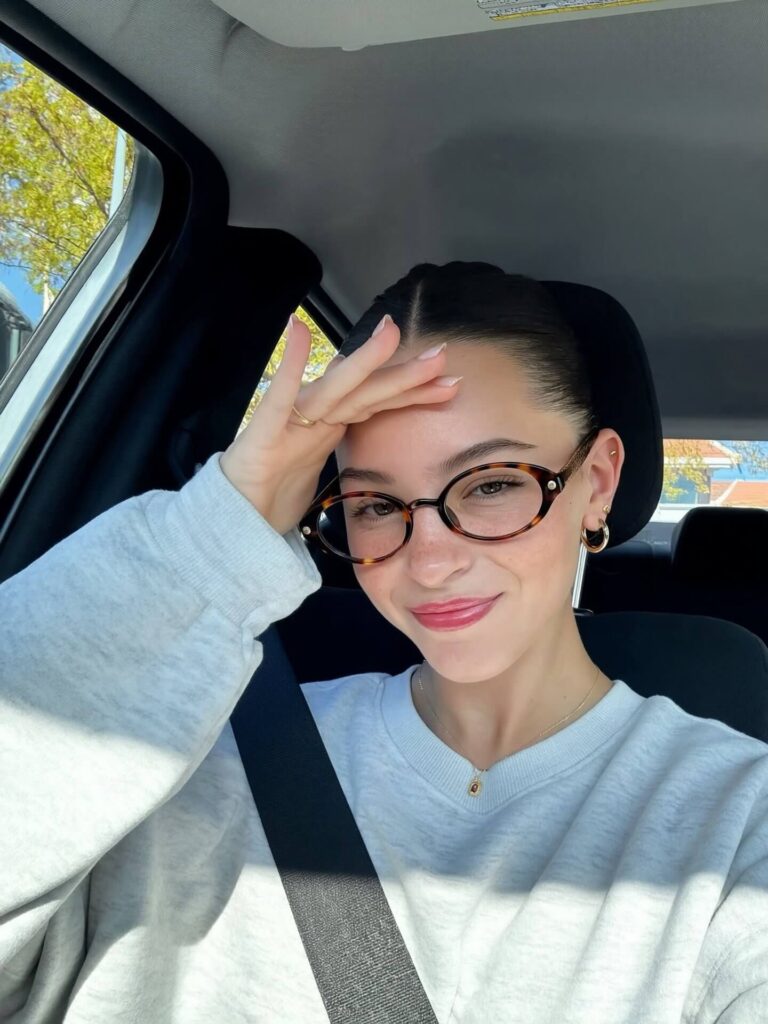
As the name suggests, Z Image Turbo is built for speed. Developed by Tongyi-MAI, this model uses a distilled architecture (likely around 6 billion parameters) to generate images in sub-second times. It uses an 8-step inference process, making it significantly faster than the standard 30-50 steps required by Midjourney or Flux.
While it may not produce the most realistic micro-details seen in Nano Banana Pro, it is the best solution for “real-time” generation. It is used heavily in applications where users need to see results instantly, such as interactive gaming or live sketch-to-image tools.
Z Image Turbo is uncensored and supports NSFW content generation.
Best AI Image Generators and Editors
While models are the engines, services are the vehicles that make them usable. The following platforms integrate these models into user-friendly workflows.
Canva
Canva has successfully transitioned from a simple design tool to a full-fledged AI suite. By integrating various models (including their own proprietary Magic Media tools), Canva allows users to generate images and immediately place them into flyers, presentations, and social media posts.
The “Magic Edit” feature is a standout, allowing Image to image manipulation where users can brush over an object and type to replace it. For the general public, Canva represents the most accessible entry point to AI, offering a free ai image generator tier that is sufficient for basic needs. It abstracts away the technical settings like “seed” or “cfg scale,” making it ideal for non-technical users.
Invideo
invideo.io focuses on the video creation aspect of graphics. It uses AI to generate entire video narratives from a single text prompt. However, its image generation capabilities are robust enough to stand on their own for creating stock assets and b-roll.
The service is particularly useful for marketers who need to turn a blog post into visual content. It scrapes the text, generates relevant imagery (using models like Leonardo or SDXL under the hood), and assembles them. It ensures a consistent visual style across all generated assets, preventing the “random” look that often plagues AI video projects.
Klingai
This is the official portal for the Kling models. It offers a professional dashboard for users who want granular control over the Kling Image O1 and video models. The interface is reminiscent of professional video editing software rather than a simple chat bot.
Klingai.com is best for “power users” who need to manage multi-shot generations. It allows for the creation of “digital assets” where you can save a character’s face and reuse it across different projects. It also supports high-resolution upscaling and advanced Image to image controls that are not available in third-party integrations.
Higgsfield.ai
Higgsfield.ai is a mobile-first platform designed for creators. While it is famous for its video generation, its “Popcorn” feature acts as a storyboard generator that is incredibly powerful for static graphics. It allows users to generate up to 8 matching scenes in a single flow.
This service excels at anime ai art and stylized content. It is designed to be “fun” and responsive, appealing to the TikTok/Shorts generation. It uses a credit system but offers generous free trials, acting as a free ai image generator for casual users. The platform focuses heavily on “character consistency,” solving one of the biggest pain points in AI art.
OpenArt.ai
OpenArt.ai is a massive community hub that aggregates almost every open-source model available, including Flux, Stable Diffusion, and their thousands of fine-tunes. It is the best place to find specific styles, from Realistic photography to oil painting.
The platform offers a “Model Training” service where users can upload their own photos to train a small LoRA (Low-Rank Adaptation) model. This allows for truly personalized generation. Because it hosts community models, it is also a destination for those seeking Uncensored or less restricted generation capabilities, provided users adjust their settings accordingly. It bridges the gap between complex local installations and easy web interfaces.
FAQ: AI Models and Services
As of late 2025, Nano Banana Pro (Gemini 3 Pro Image) and Flux.2 are widely considered the leaders in photorealism. Nano Banana Pro excels in lighting and physical coherence, while Flux.2 offers incredible texture detail.
Yes. Nano Banana has a free tier within the Gemini ecosystem. OpenArt.ai and Canva also offer daily free credits. Flux.2, being open source, can be run for free if you have a powerful enough computer to install it locally.
Uncensored implies the model has fewer safety filters regarding violence, NSFW content, or copyrighted characters. Grok and local versions of Flux.2 are examples of models with fewer restrictions (often described as no censor), whereas models like DALL-E or Nano Banana have strict safety protocols.
Yes. The “spelling problem” has been largely solved. Nano Banana Pro, Hunyuan Image 3, and Qwen Image are currently the best at rendering accurate, legible text within generated graphics.
Midjourney (specifically the Niji mode) is excellent. However, for specific anime sub-styles, OpenArt.ai (hosting finetuned Flux/SD models) or Higgsfield.ai are often superior because they are tuned specifically for 2D aesthetics.
Use models that support “Character Reference” or “IP Adapter” features. Seedream 4.5, Nano Banana Pro, and Runway Gen-4 are specifically engineered to maintain character identity across multiple generations.